MEET THE FAMILY,
ALIVE & DEAD

THE BELOVED ANCESTOR
TINO, 30s
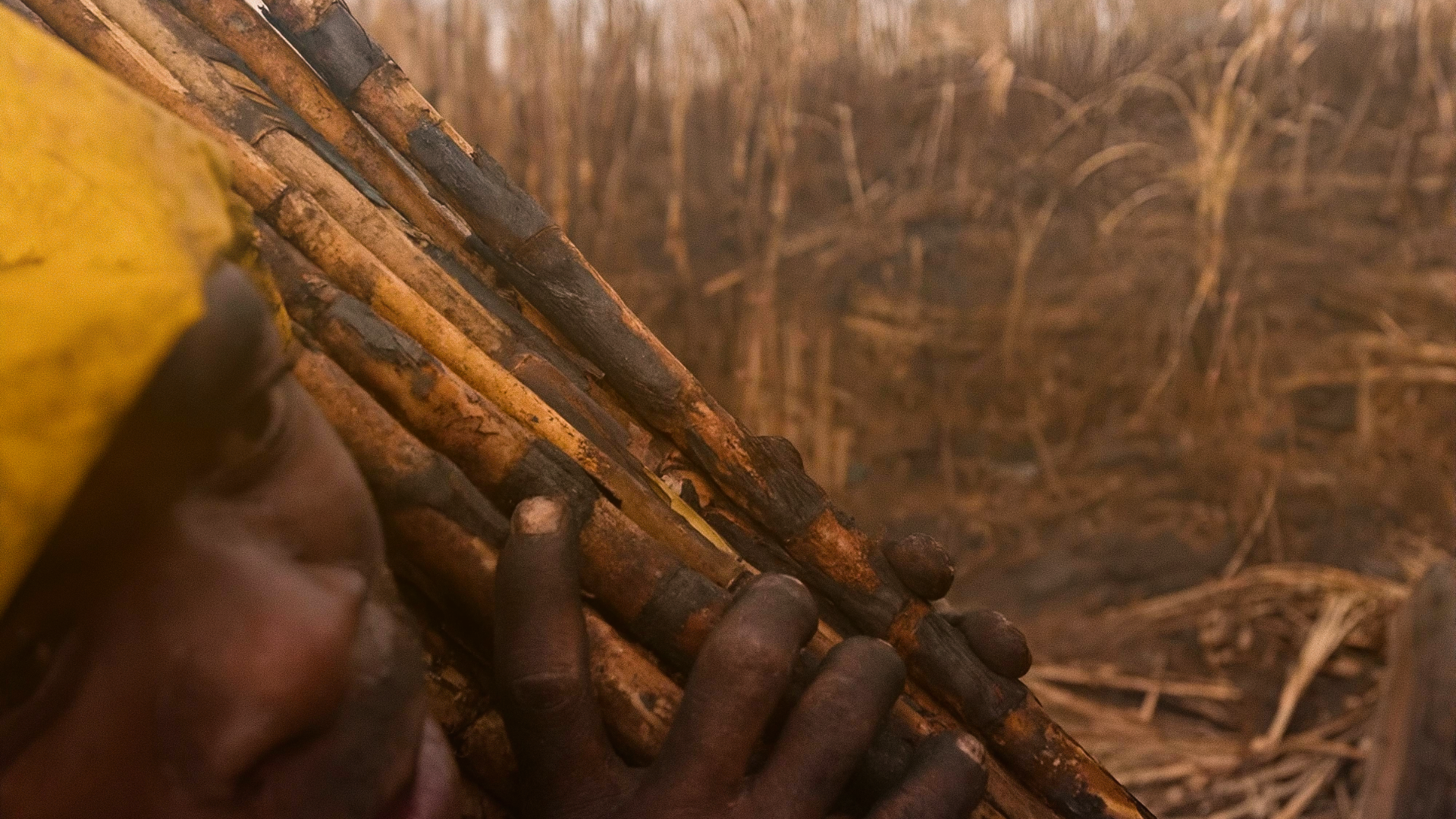
The sugarcane fields help Tino forget about the ship hulls, but then he is reminded of the blisters that line his feet. Tobacco feels like a necessary coping mechanism. He keeps a garden with the other fieldhands he lives with, growing okra and yams from the seeds they managed to carry over. He knows that without their garden, they wouldn’t last much longer out in the fields. He is planning to run away into the mountains with Gabrielle to find the secret maroon communities rumored to have formed a fellowship with the remaining Taino people of Saint-Domingue. His faith in revolution is palpable; it seems the only choice, other than death. He often talks to Legba, the spirit of the crossroads, and someone he remembers from the homeland; others seem to know Legba, too.
One night, after Tino is severely beaten by a plantation owner, he asks Legba to lift the veil enough so he can see if there is a time beyond this, somewhere without the suffering that he can’t run away from. The veil is lifted just enough for him to see Gabrielle pinned underneath a police officer, suffering that, unfortunately, feels all too familiar. He pulls the police officer off of Gabrielle, and they then run back into Tino’s timeline.

Tino’s arc from powerless victim to self-determined guide:
While Tino’s will to live seems unmatched, this is often at the cost of his dignity. Witnessing the brutalities of the sugarcane fields, he feels powerless to stop anything. The common response among most of the fieldworkers is to keep their heads down. He knows that learning the inner workings of the plantations and the island will take time, but he is determined to do so if it means securing his and Gabrielle’s escape.
Tino’s escape