
TWO WORLDS
APART
LOGLINE:
SYNOPSIS:
Through a divine entanglement, a young woman must help her ancestors fight in the Haitian Revolution if she hopes to return to her own timeline.
In a surveilled America and amid rampant immigration detainment, Roseline’s sister, Gabrielle, goes missing. In the wake of her sister’s disappearance, Roseline leaves her job at a well-known university and moves back to her Haitian childhood home in New England. The country is in a state of crisis. The current administration has caused chaos among the public, postponed elections, and is enacting a not-so-elusive dictatorship. As Roseline realizes the police have given up on finding Gabrielle and she herself is following their lead, mystical events continue to unfold. Roseline begins to believe Gabrielle is still alive somewhere. Through the forces of Vodou and ancestral veneration, Roseline finds Gabrielle in Haiti in the 1790s, where she later joins her in helping their ancestors fight in the Haitian Revolution against Napoleon’s French Army.
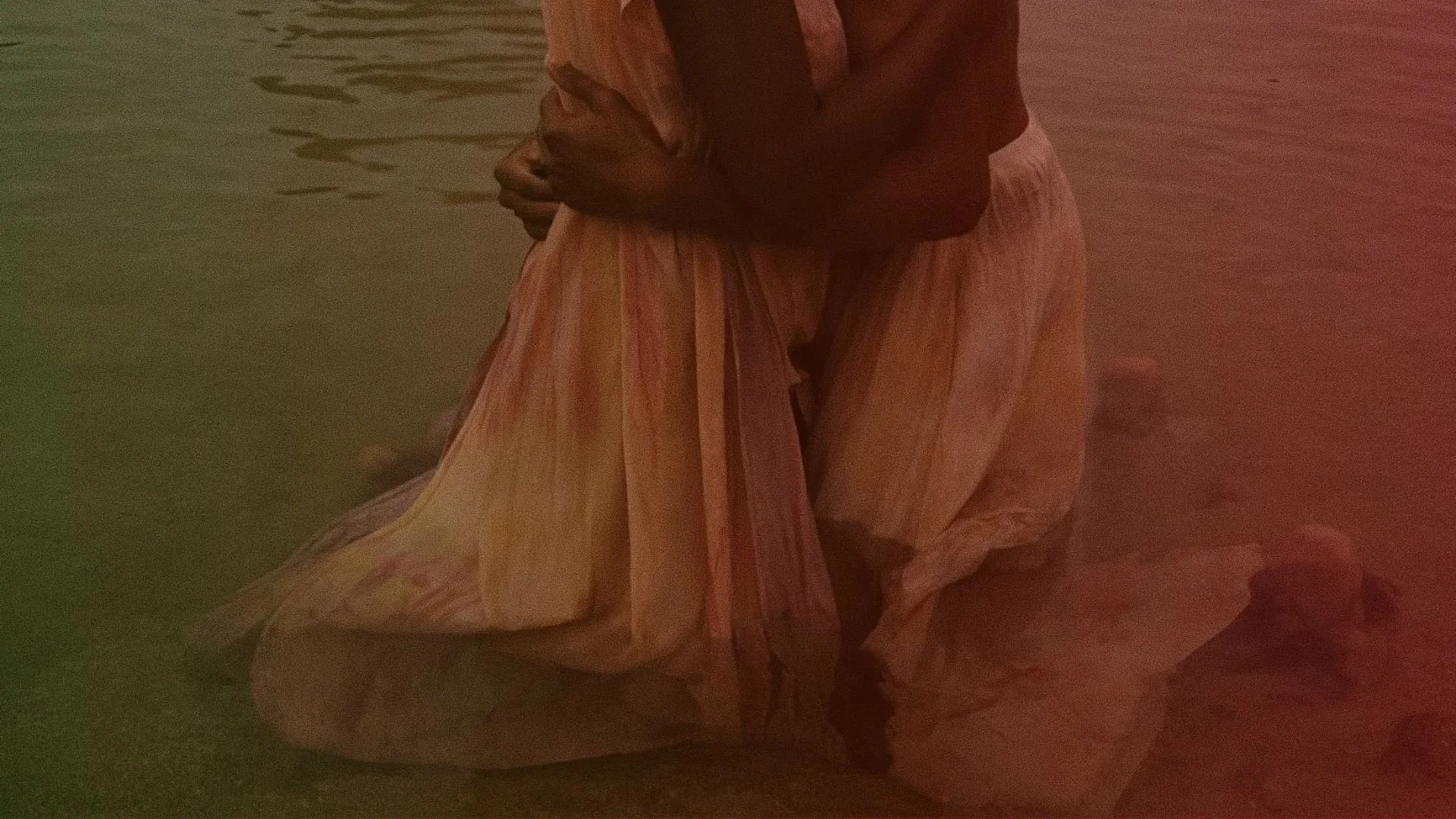
OVER THE COURSE OF THE SEASON, WE SEE THE CONTRASTS BETWEEN GABRIELLE AND ROSELINE’S WORLDS & THE MOMENTS WHERE THE VEIL IS LIFTED ENOUGH FOR THEM TO CONVERGE
In the present day, everything we see is muted, dulled, and sterile. There is a fog that occupies the screen and the characters’ minds. The color palette is dreary and starves any curiosity that one might have. The tension that Roseline feels within herself is emulated in the environment. Through ominous news reports and the lack of trust everyone seems to have in each other, everyone knows that something is coming, but isn’t quite sure what to prepare for.
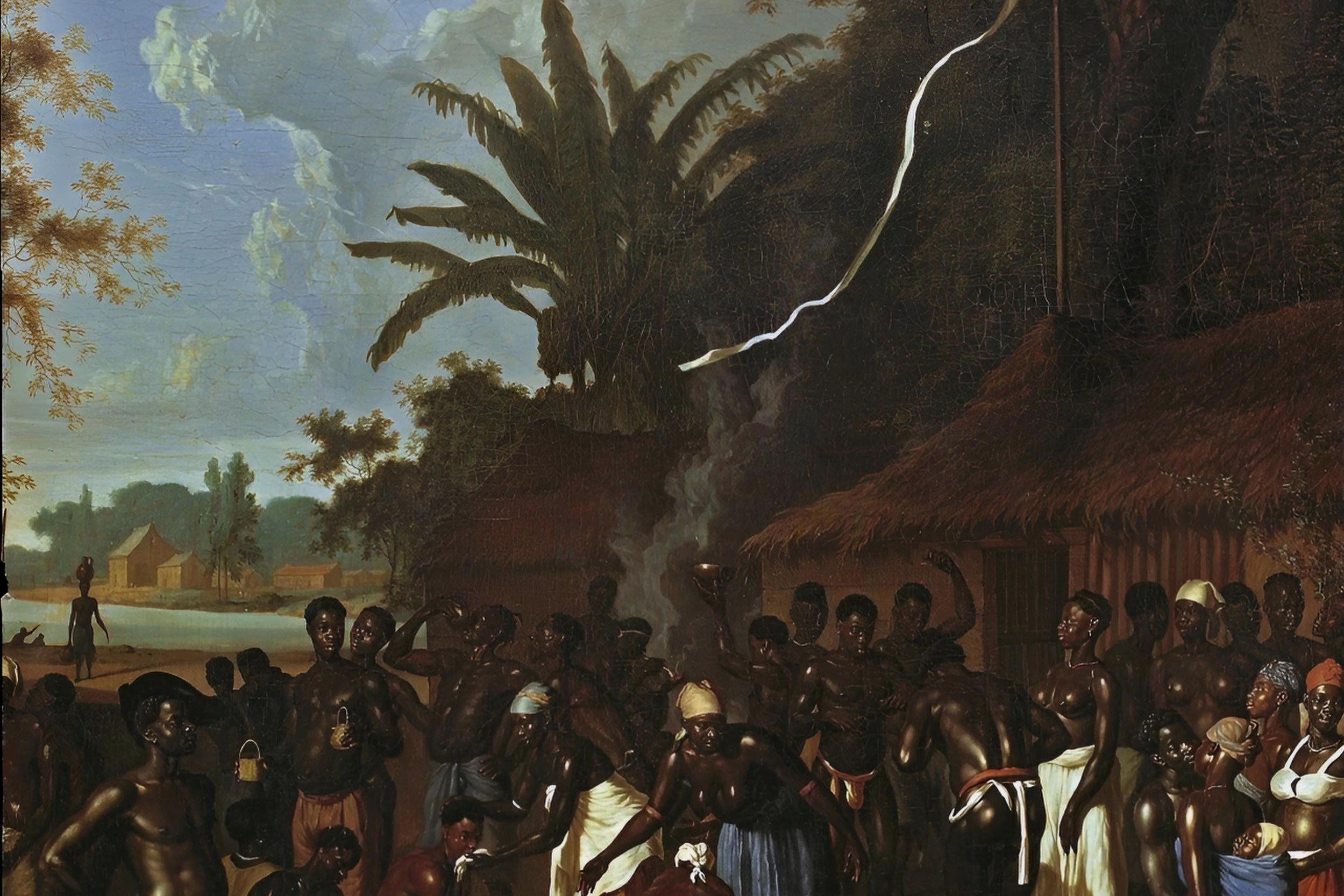
The viscerality of the cruelty and abuse that is witnessed in Gabrielle’s world is matched by the same level of intensity in the environment. The colorscape is as saturated as white cotton shirts stained with dirt. Bloodshed is pushed against a background of lush tropical greenery and mountains beyond mountains. Sweat is commonplace. A dichotomy that speaks to the intensity of the slave trade, and the repudiation of the beauty that exists within and of the land.