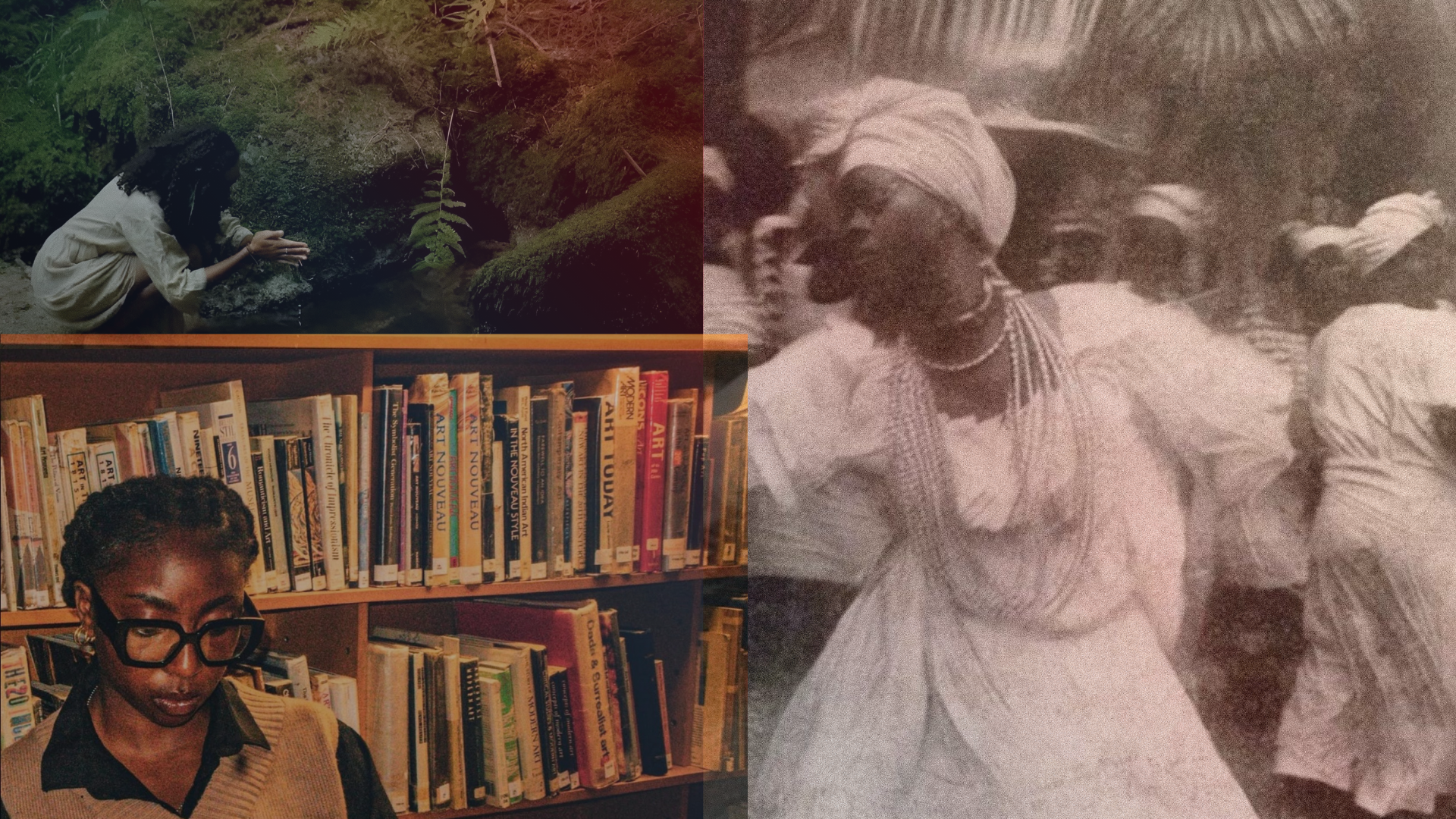
MEET THE FAMILY,
ALIVE & DEAD
Rose-Marie’s arc from idolization to joining the cause:
THE ANCESTORS DREAM
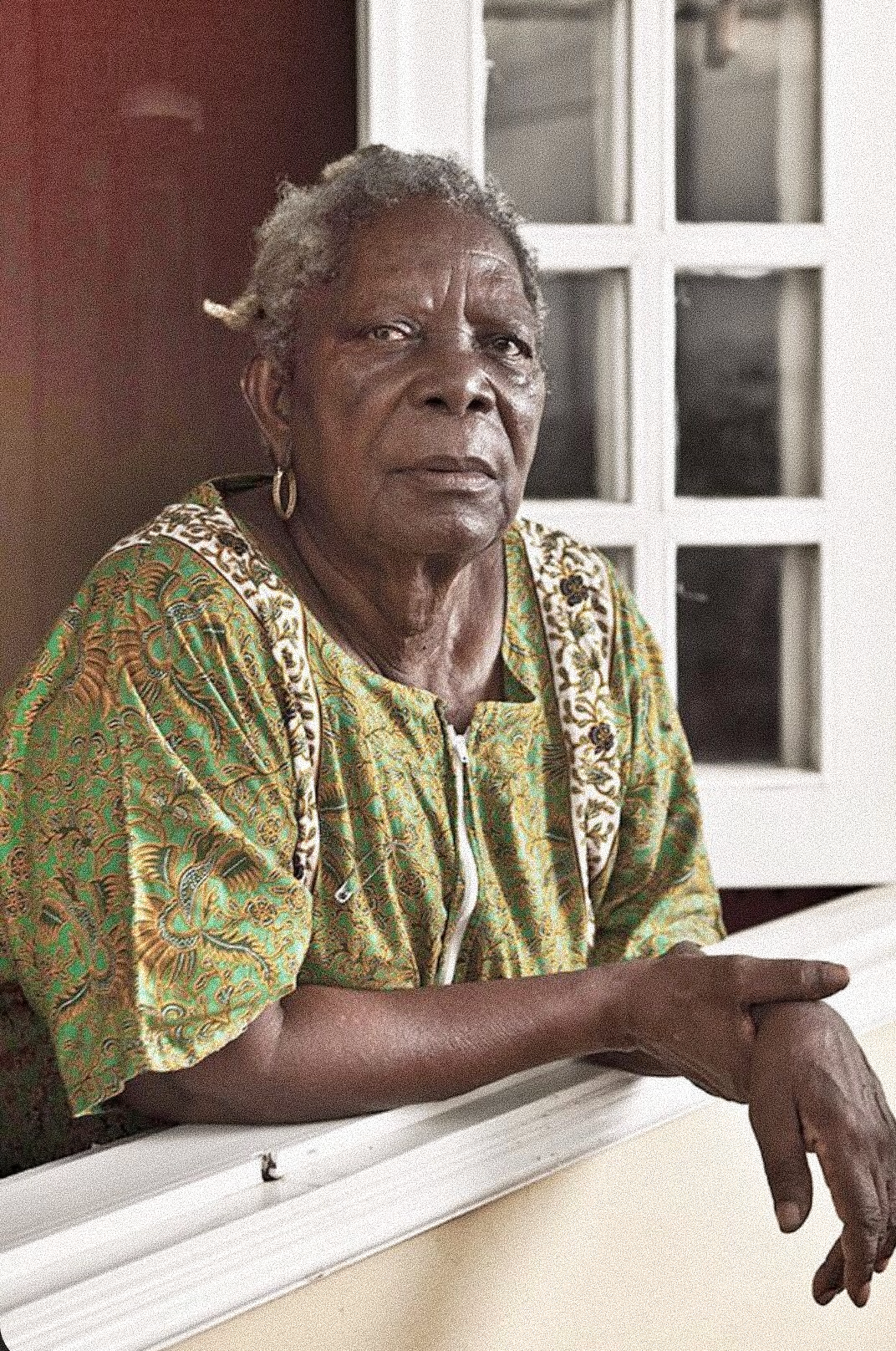
ROSE-MARIE, 80s
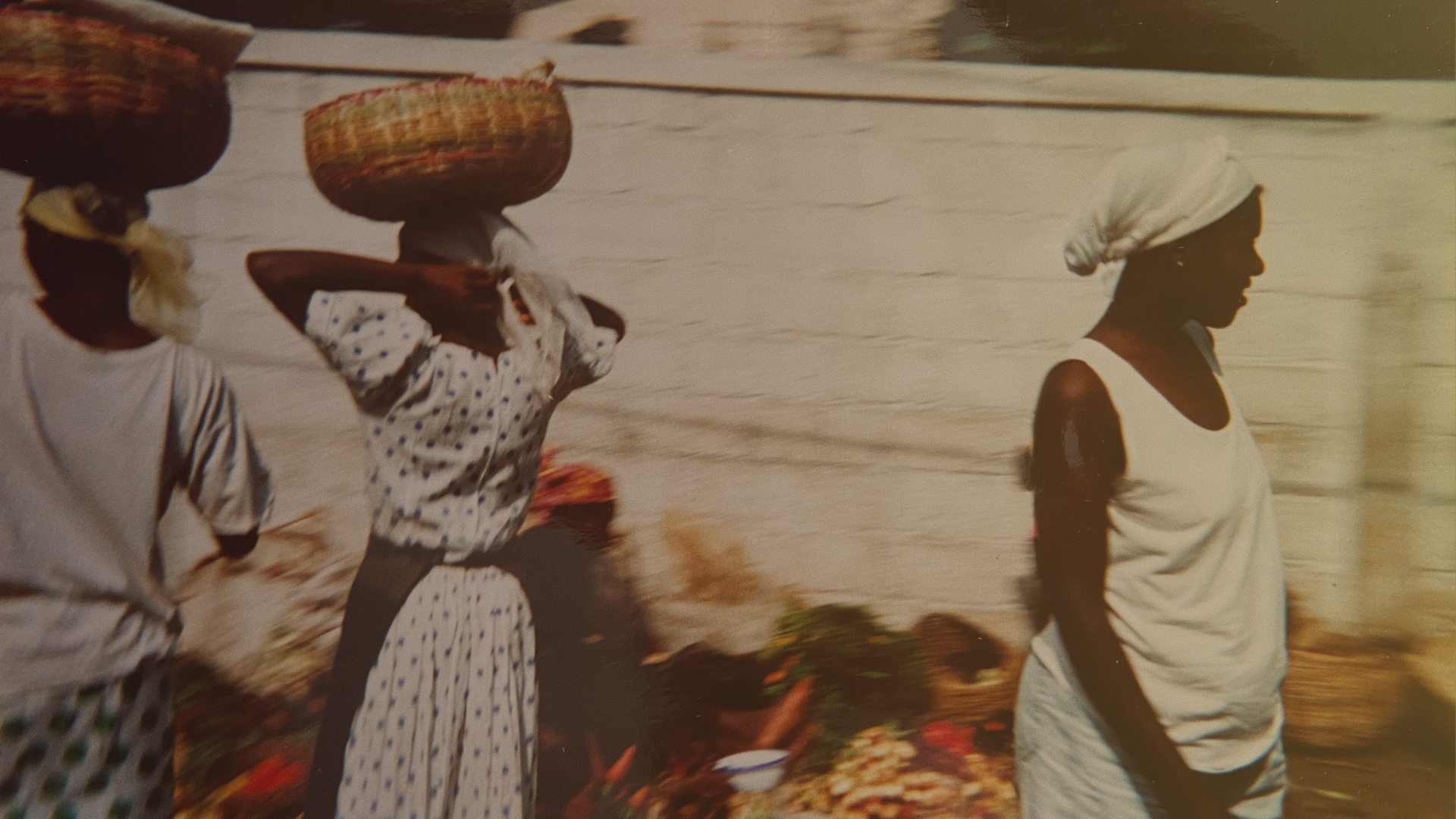
She probably remembers Haiti better than anyone in the family, but her version is also the furthest from what’s there now. Having lived in Haiti until her 50s, she remembers the village where they used to live and how she used to sell carrots from her garden in the city. She loves all her grandchildren, but she thinks Roseline is special because she was the only grandchild born in Haiti. She was one of the first people that Jaques helped bring over once he got his footing in the U.S. Rose-Marie likes that her family is career-oriented for the most part. Admiring Jaques hustle and Roseline’s academic endeavours.
Allegedly, Rose-Marie is Protestant, but history has proven otherwise. She recounts being possessed by the lwa (spirits) and still speaks of the prophetic dreams she has. Her English is passable, but she speaks Creole whenever she can, which limits her conversations with her grandchildren. Although this doesn’t stop her from telling Roseline to find a man to have children with, don’t worry, though, she’s open-minded and has told Roseline that they don’t need to be married. Of course, she’s disappointed, but she’s also in awe, as she’s witnessed the American assimilation her son and grandchildren have chosen. The grief she feels for Haiti and, for that matter, the world is intense, and feeling it at the end of her life means she’s betting on her descendants to solve the issues she can’t. While she doesn’t understand the assimilation she witnesses, she knows it’s a survival tactic.
She has an idealized vision of success and fame in the U.S. and believes that Roseline can achieve the American dream with a white fence and two kids. Like Jaques, she thinks playing by the rules is how you ‘win’ at life, especially in the U.S. When she is detained, however, she quickly realizes the depths of cheating and rigging that go into ensuring the same winner comes out every time. As her time in jail gives her much time to herself, she contemplates how she has been treated by the institutions she once looked up to.
Rose-Marie’s memory